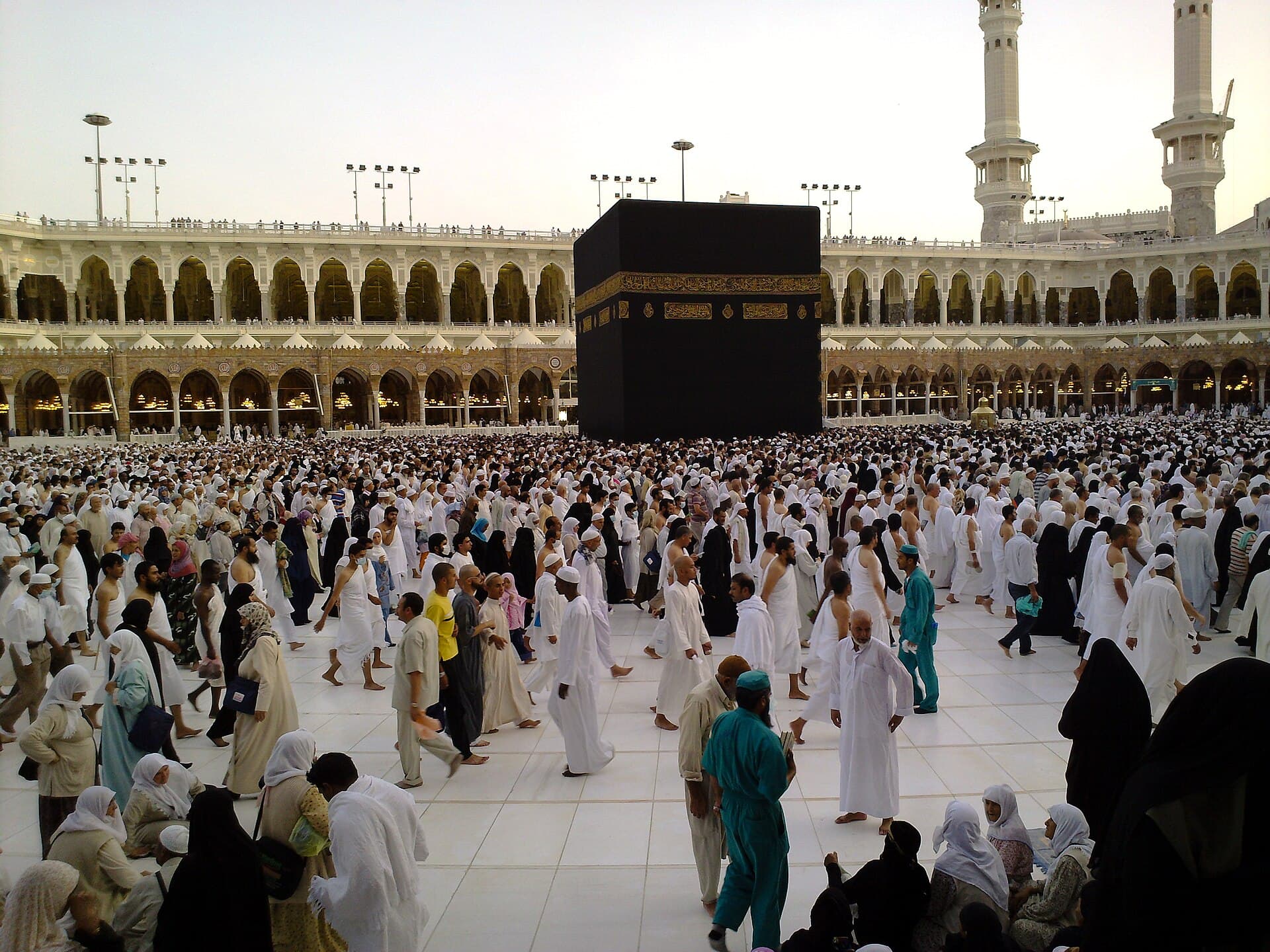
Hajj and Umrah
The Hajj, pillar of Islam
The Hajj is the fifth pillar of Islam, prescribed once in a lifetime to those who are able: travelling to the Sacred House in Makkah, in the known months, to perform set rites, from ihram and the standing at Arafat to tawaf and sa‘i, as the Prophet ﷺ taught them.
“And pilgrimage to the House is a duty owed to God by all who can make the journey.”
“Whoever performs Hajj without obscenity or sin returns as on the day his mother bore him.”
Stage 1 of 8: Preparation0 of 8 stages
Your journey in eight stages
Read each stage, then press the brown button at the bottom of the stage to move on. Your progress is saved on this device.
Pillars of the Hajj
Four pillars without which the Hajj is invalid and which no sacrifice can replace.
1Ihram
The intention to enter the rite, at the miqat, with the ihram garments for men and the talbiyah.
At stage 2: Ihram
2Standing at Arafat
Being at Arafat on 9 Dhul Hijjah, from noon until dawn of the day of sacrifice. “Hajj is Arafat.”
At stage 5: Arafat
3Tawaf al-ifadah
Seven circuits of the Kaaba after Arafat and the night at Muzdalifah, from the day of sacrifice onwards.
At stage 6: Sacrifice
4Sa‘i between Safa and Marwah
Seven lengths between Safa and Marwah after tawaf al-ifadah, or after the arrival tawaf for qirān and ifrād.
At stage 6: Sacrifice
Obligations of the Hajj
A missed obligation is made up by a sacrifice offered in Makkah to the poor of the Haram; the Hajj remains valid.
- 1Entering ihram from the miqat.At stage 2: Ihram
- 2Staying at Arafat until sunset.At stage 5: Arafat
- 3Spending the night of sacrifice at Muzdalifah.At stage 5: Arafat
- 4Spending the nights of tashrīq in Mina.At stage 7: Tashrīq
- 5Stoning the pillars in order: al-‘Aqabah on the day of sacrifice, then the three on the days of tashrīq.At stage 7: Tashrīq
- 6Shaving or trimming the hair.At stage 6: Sacrifice
- 7The farewell tawaf, except for women in their period.At stage 8: Farewell
Stage 1Before departure
Intention and preparation
The journey begins with a sincere intention and the provision of piety. Read each requirement and tick it: every step here prepares the meeting with the House.
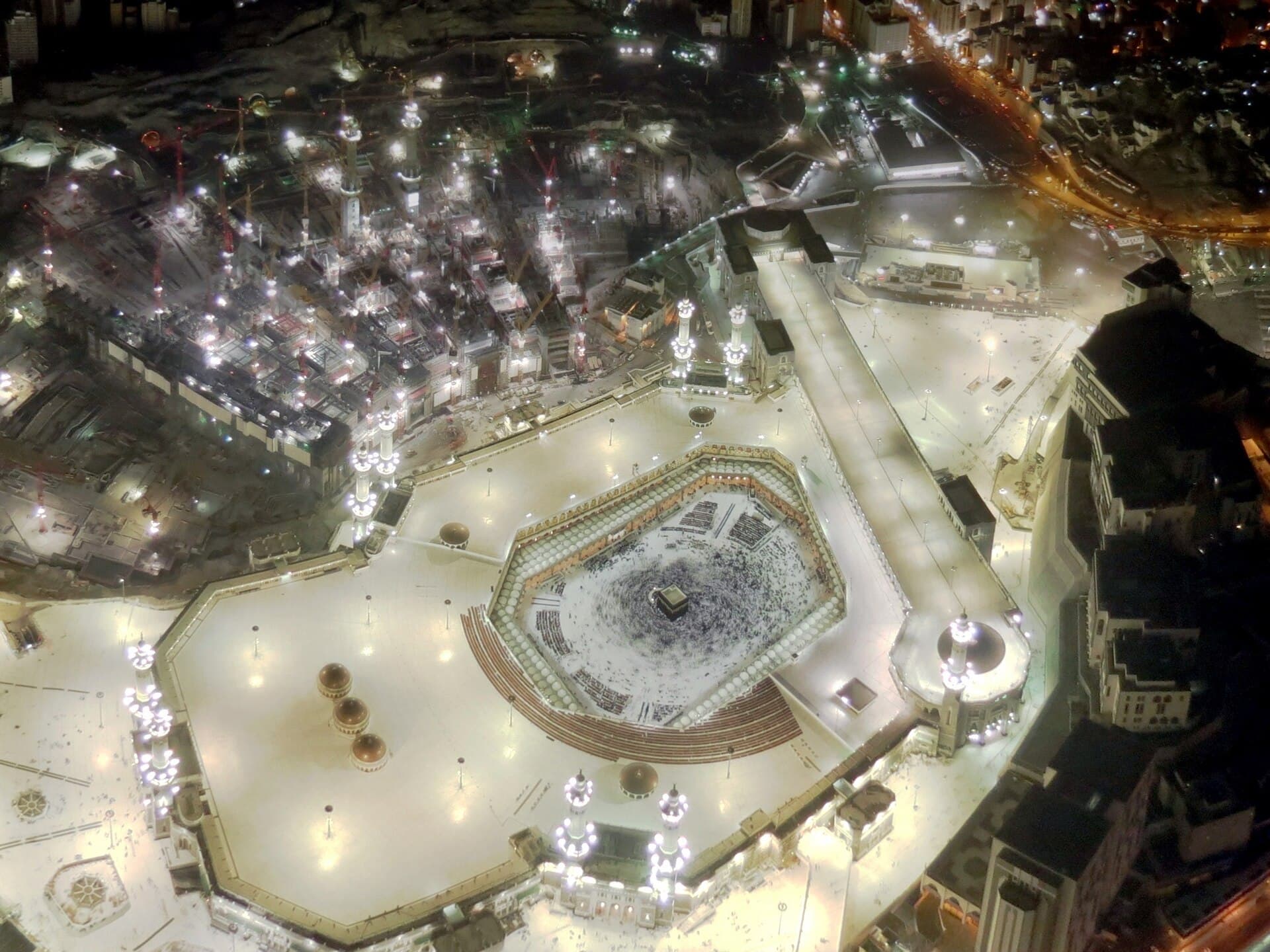
Reflection
Hajj wipes out what came before it and removes poverty and sins as the bellows remove the dross of iron.
Requirements of the Hajj
Pilgrims from abroad register exclusively through an agency licensed by the Ministry of Hajj and Umrah and the Nusuk platform.
0 of 6 requirements read
Things to remember
- 1.Keep the agency’s number and the camp location in Mina, and always wear your identification card.
- 2.Drink plenty of water and stay in the shade: temperatures at the holy sites often exceed 40 °C.
- 3.Use the concessions: sit when tired, stone after noon outside peak hours, delegate when unable.
- 4.No heavy bags during tawaf and sa‘i: comfortable shoes and a small bag are enough.
- 5.Talbiyah, remembrance and supplication are worth more than photos.
- 6.When in doubt about a rite, ask the group guide; do not decide alone.
Stage 2At the miqat
The miqat and ihram
The miqat is both a time and a place: the months of Hajj (Shawwāl, Dhul Qa‘dah and the first ten days of Dhul Hijjah), and the points set by the Prophet ﷺ for entering ihram. Whoever crosses them intending Hajj or Umrah must be in ihram.
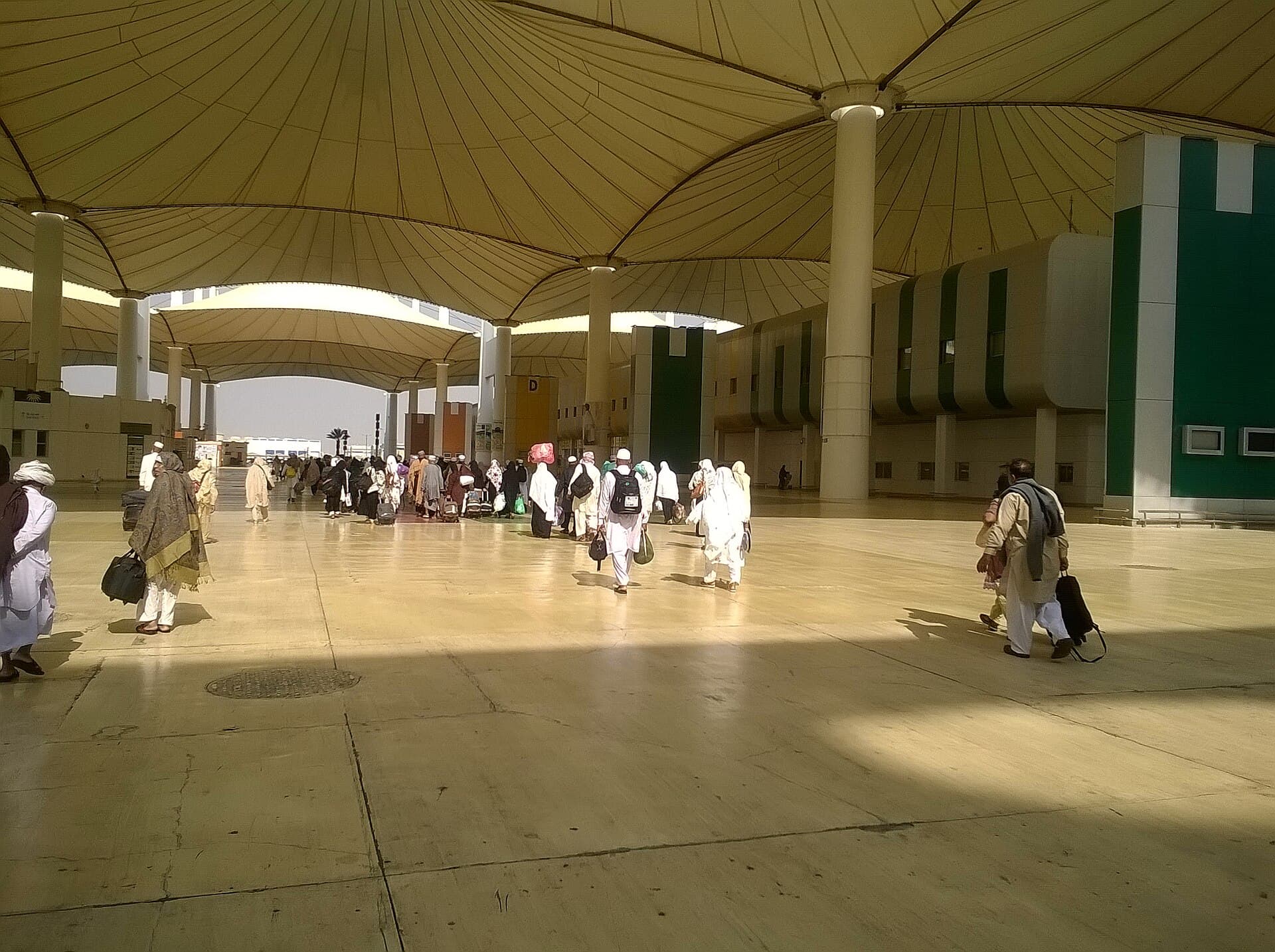
Choose your rite
Your path adapts to the rite you choose.
The miqats
Dhul Hulayfah (Abyār ‘Ali)
Miqat of the people of Madinah and of those passing through it, about 420 km from Makkah.
Al-Juhfah (Rabigh)
Miqat of the people of Syria, Egypt and the Maghreb: most Moroccan pilgrims enter ihram when flying over it.
Qarn al-Manāzil (as-Sayl al-Kabīr)
Miqat of the people of Najd and Taif, and of those coming from the east.
Yalamlam (as-Sa‘diyyah)
Miqat of the people of Yemen and of those coming from the south.
Dhāt ‘Irq
Miqat of the people of Iraq and of those coming from their direction.
By air
Ihram is entered when the aircraft is level with the miqat; the agency warns pilgrims well before landing in Jeddah.
The talbiyah
لبّيك اللهمّ لبّيك، لبّيك لا شريك لك لبّيك، إنّ الحمد والنعمة لك والملك، لا شريك لك
“Here I am, O God, here I am. Here I am, You have no partner, here I am. Praise, grace and dominion are Yours. You have no partner.”
Sunnah
Sunnah
Pillar · Ihram
Obligation
Choose a rite to complete this stage.
Stage 3Makkah
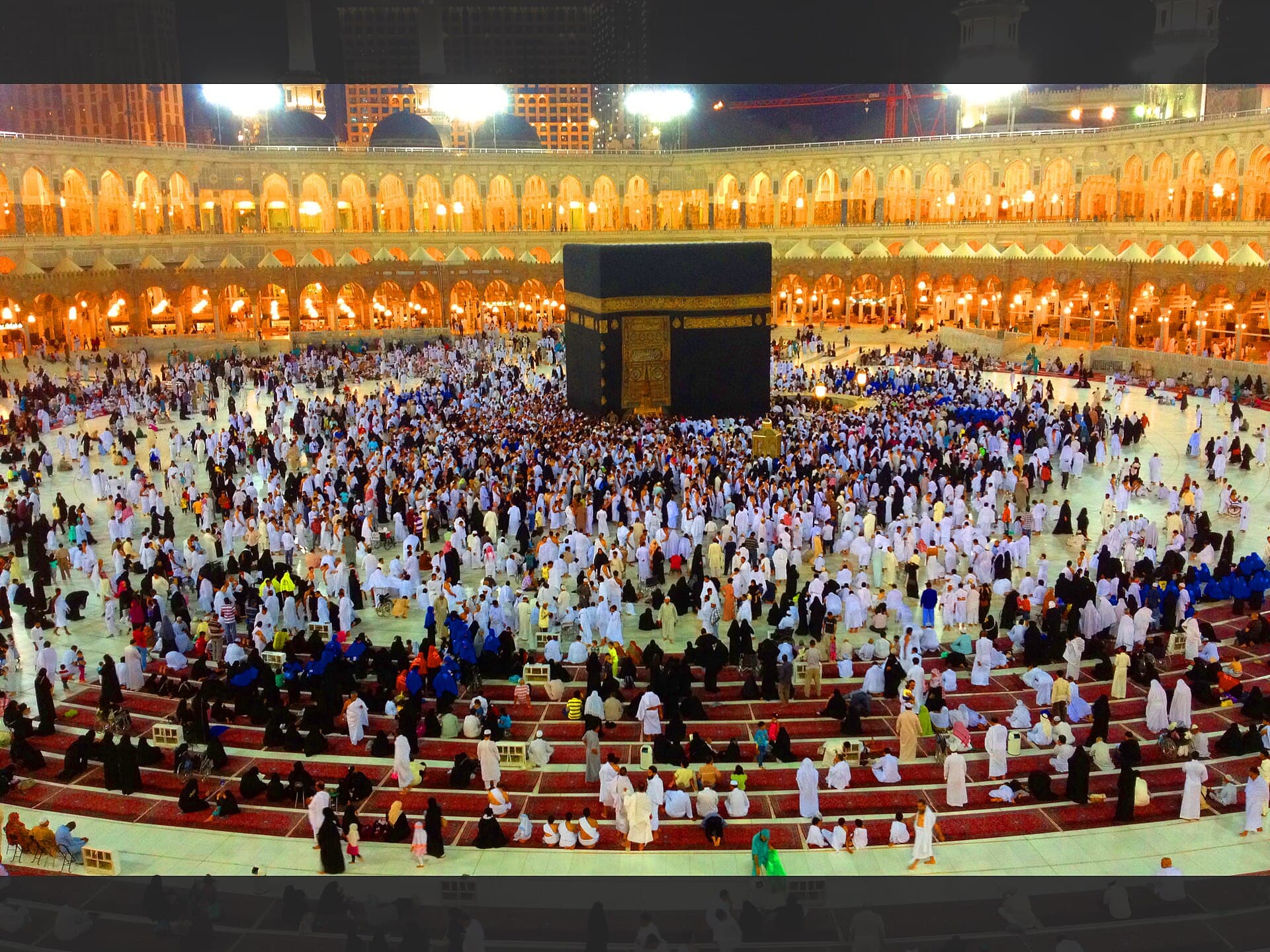
The tamattu‘ Umrah
On arriving in Makkah you perform your Umrah: seven circuits of tawaf, the sa‘i between Safa and Marwah, then shaving or trimming; you leave ihram until the day of Tarwiyah.
Note
Tawaf: seven circuits
Optional: press the button at each round to learn the number and the order.
With the Kaaba on your left, start from the Black Stone corner; each full circuit counts as one.
Circuit 1 of 7
Sunnah
Sunnah
Sa‘i: seven lengths
Optional: press the button at each round to learn the number and the order.
Safa to Marwah counts as one, Marwah to Safa as another; the sa‘i ends at Marwah.
Length 1 of 7 · Safa to Marwah
Stage 48 Dhul Hijjah — day of Tarwiyah
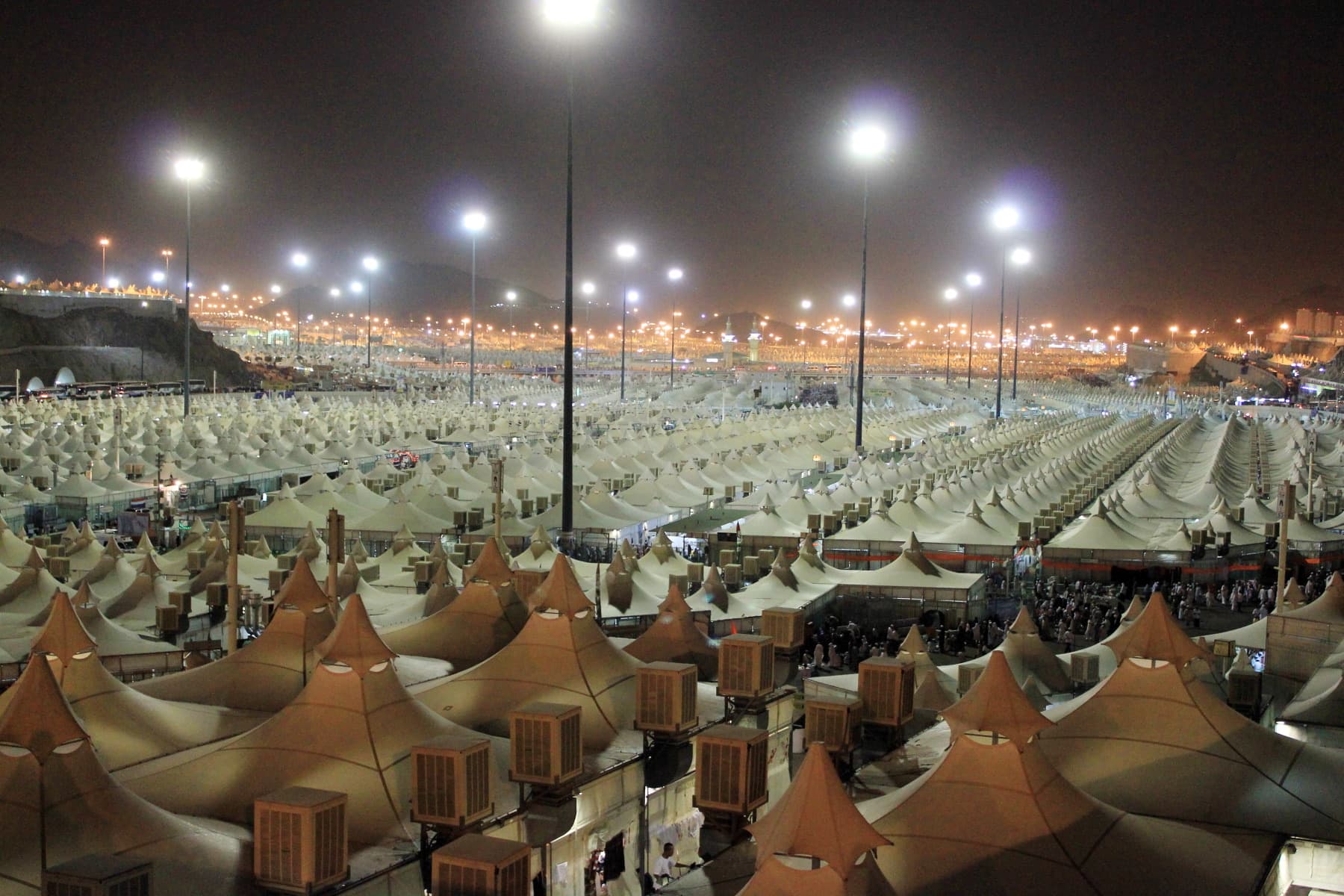
Mina
Ihram for Hajj from Makkah for tamattu‘, travel to Mina and the night there; prayers shortened, not combined.
Note
Sunnah
Stage 59 Dhul Hijjah — day of Arafat
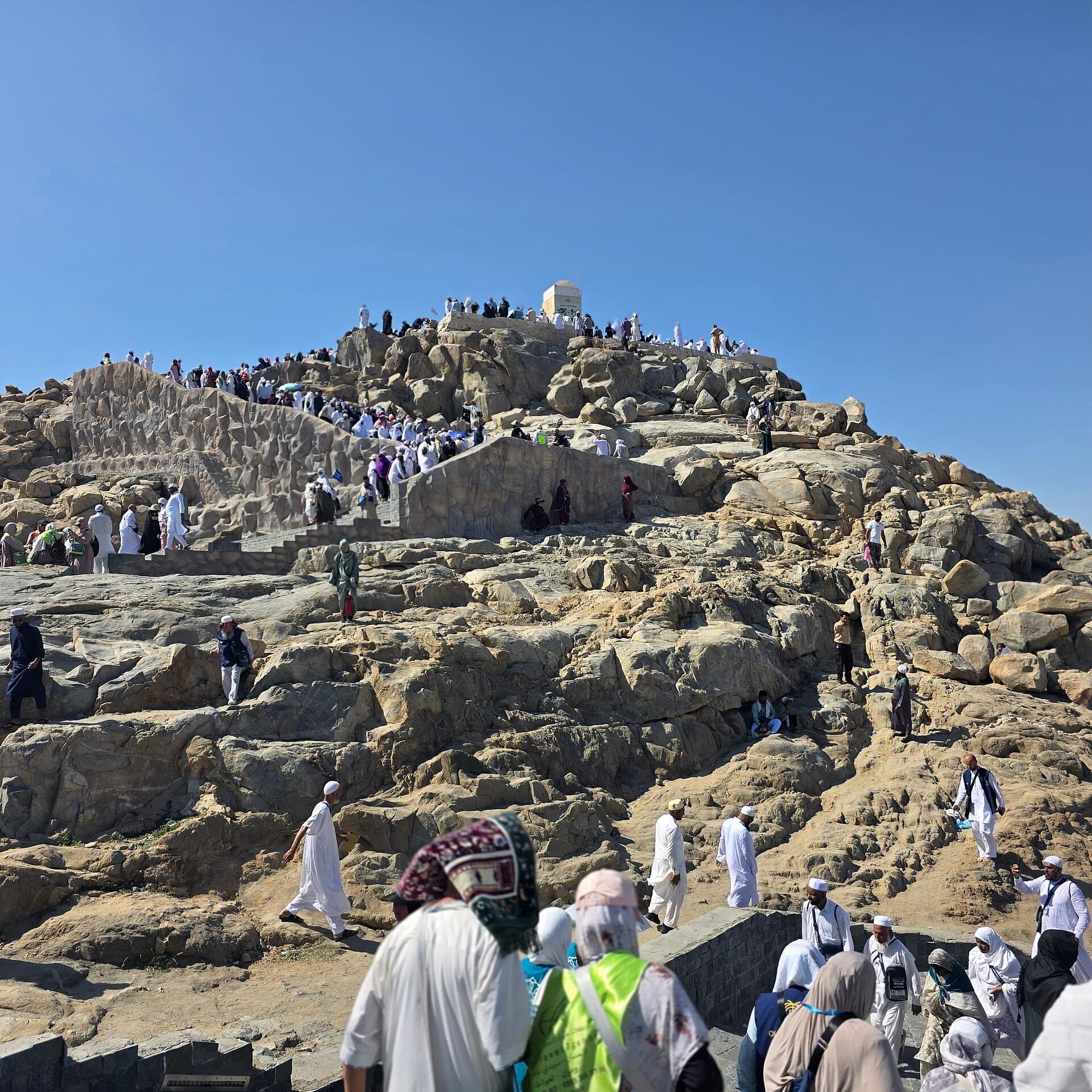
Arafat, then Muzdalifah
Standing at Arafat from noon to sunset in supplication, then on to Muzdalifah to pray maghrib and ‘isha together and spend the night.
Pillar · Standing at Arafat
Obligation
Sunnah
Reflection
On the day of Arafat God frees more of His servants from the Fire than on any other day.
The night of Muzdalifah
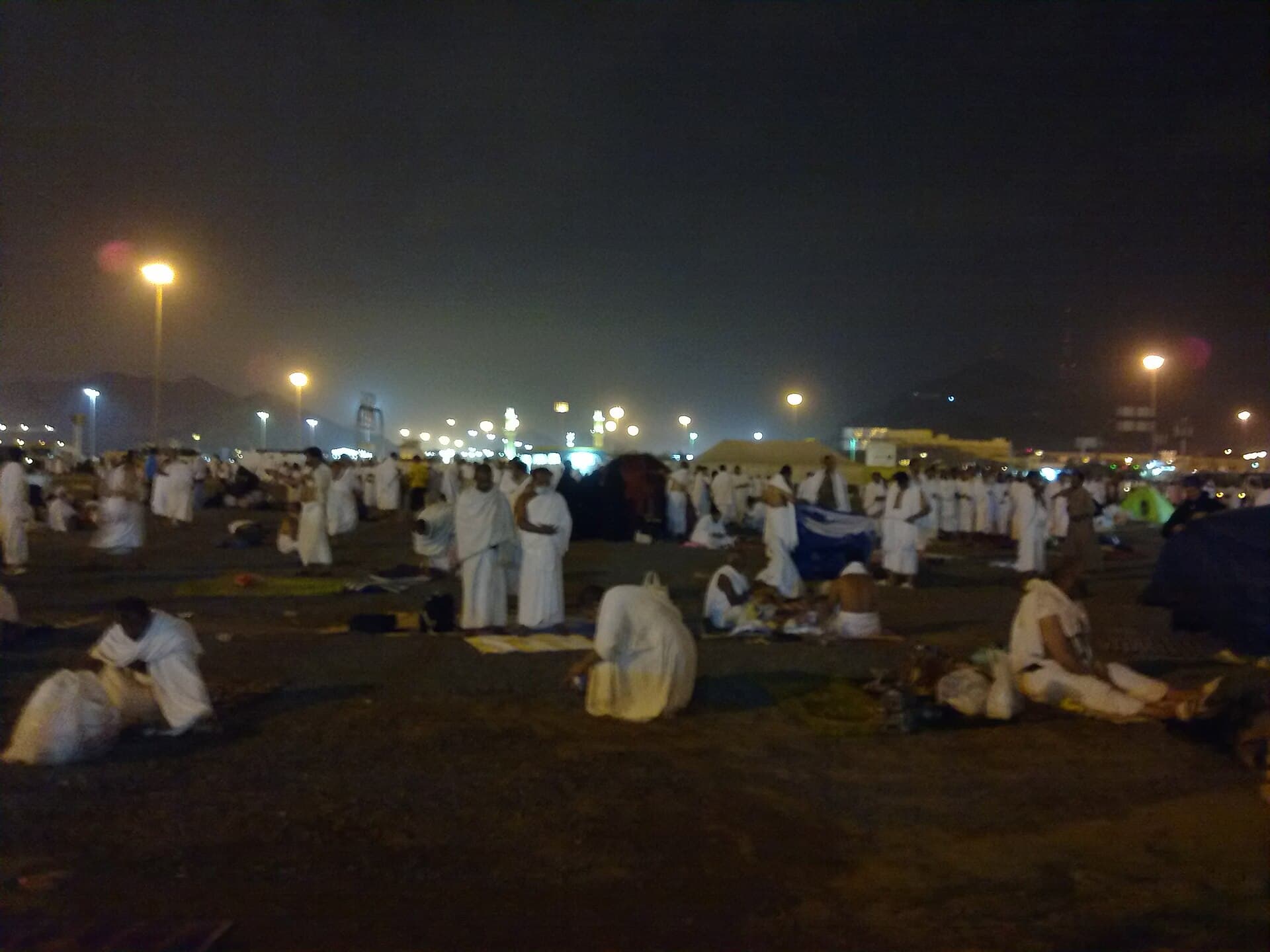
After sunset at Arafat you move on to Muzdalifah: maghrib and ‘isha prayed together, a night under the open sky until dawn; many pilgrims gather their pebbles there.
Obligation
Stage 610 Dhul Hijjah — day of sacrifice
Eid
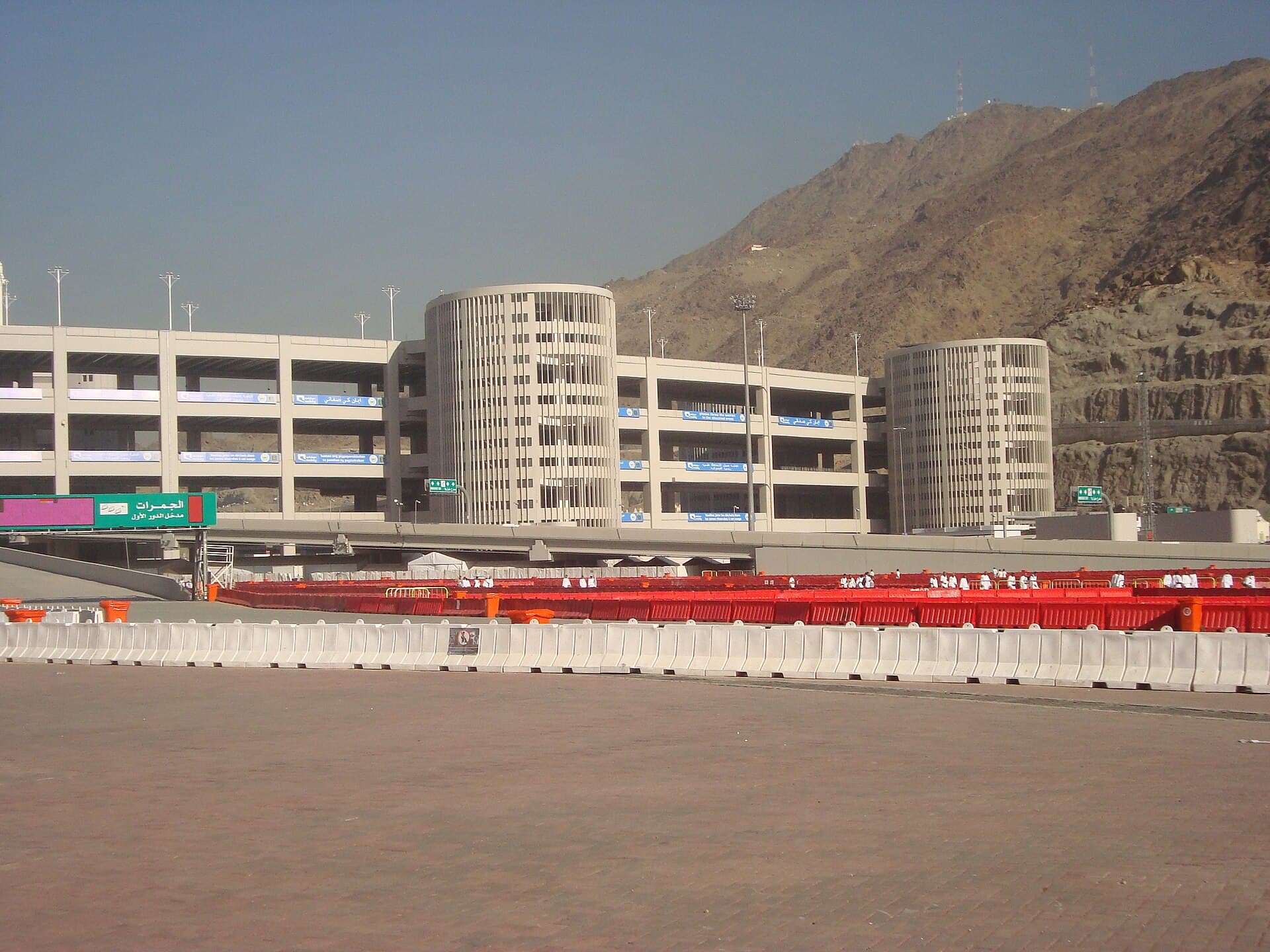
Seven pebbles at Jamrat al-‘Aqabah, the sacrifice, shaving or trimming, then tawaf al-ifadah and sa‘i. Full release.
The acts of the day of sacrifice
- 1Stoning Jamrat al-‘Aqabah with seven pebbles
- 2Offering the sacrifice
- 3Shaving or trimming the hair
- 4Tawaf al-ifadah
- 5Sa‘i between Safa and Marwah
This order is the sunnah; bringing one of these acts forward or delaying it carries no fault.
Note
Pillar · Tawaf al-ifadah
Pillar · Sa‘i between Safa and Marwah
Obligation
Reflection
The pilgrim returns cleansed of sins, as on the day of his birth.
Stage 711 and 12 Dhul Hijjah
The days of tashrīq in Mina
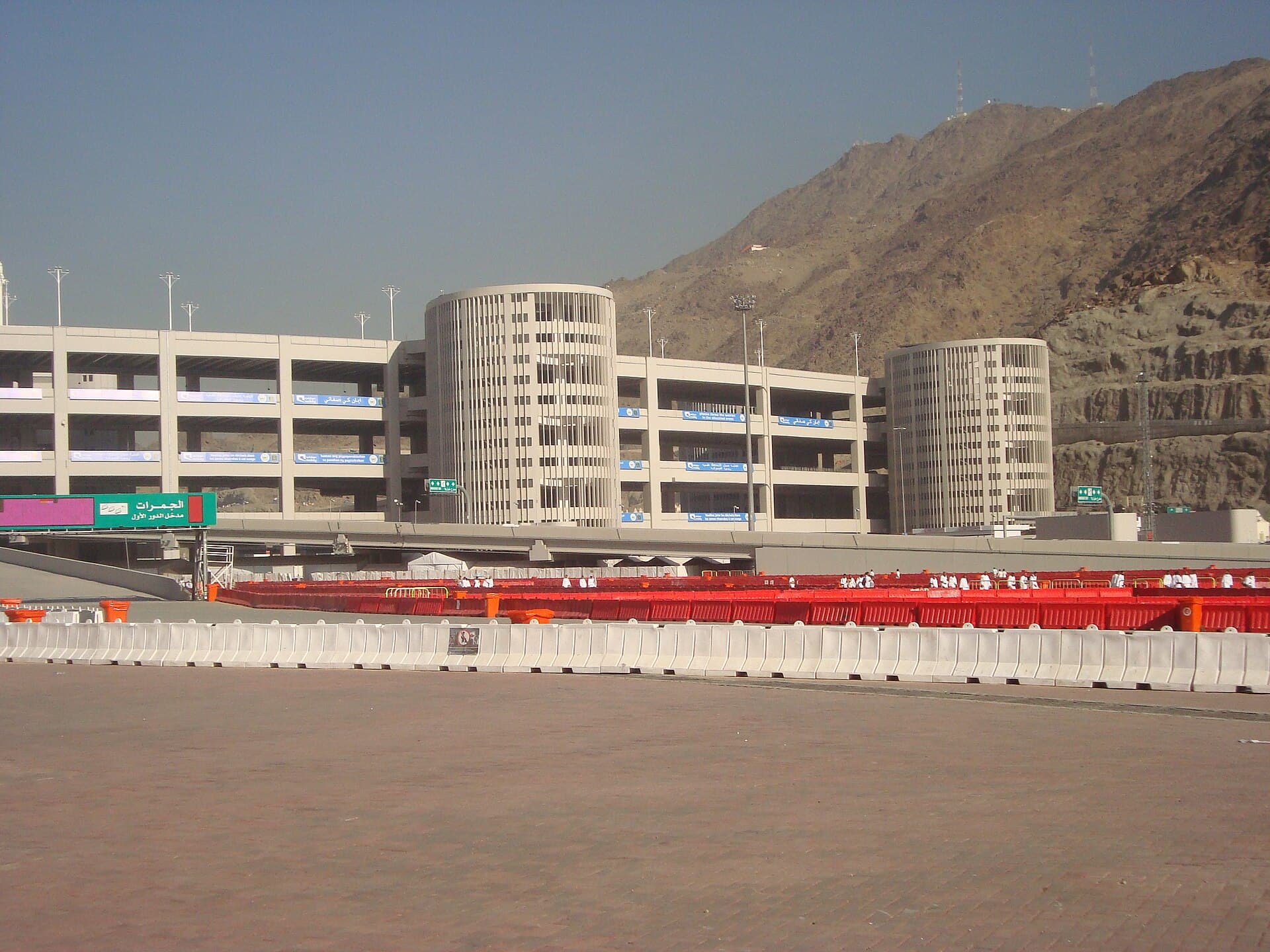
Stoning the three pillars after noon, from the small one to the large, seven pebbles each; night in Mina.
Note
Stoning the pillars
Optional: press the button at each round to learn the number and the order.
After noon: the small, then the middle, then al-‘Aqabah, seven pebbles each, saying “Allāhu akbar” with every throw.
1Small pillar0 of 7
2Middle pillar0 of 7
3Jamrat al-‘Aqabah0 of 7
Start with the small, then the middle, then al-‘Aqabah.
Obligation
Obligation
Stage 813 Dhul Hijjah — 3rd day of tashrīq
Mina, then the farewell tawaf
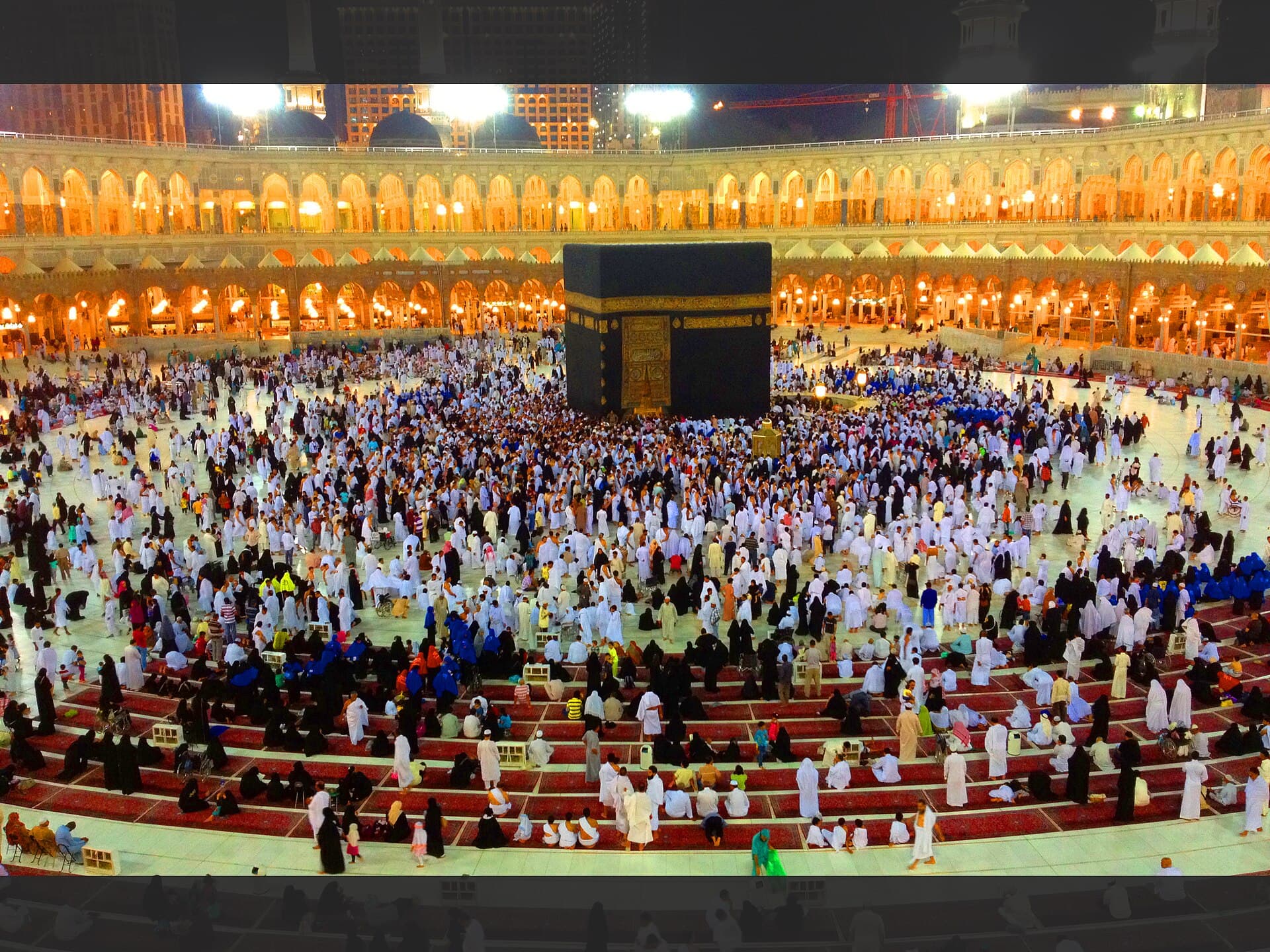
Stoning for those who stay, return to Makkah and the farewell tawaf, the pilgrim’s last act at the House.
Obligation
Your journey is not complete yet
8 stages left
Your seals
- Preparation
- Ihram
- Arrival
- Tarwiyah
- Arafat
- Sacrifice
- Tashrīq
- Farewell
Check your understanding
Five questions to anchor what you have learned.
1.How many pillars does the Hajj have?
2.On which day is the standing at Arafat?
3.How many circuits make a tawaf?
4.Which pillar is stoned on the day of sacrifice?
5.Which rite requires no sacrifice?
Travel with a verified agency
Safaria’s Hajj and Umrah programmes are run by licensed agencies, on the real dates of the Umm al-Qura calendar, with a day-by-day programme in photos, videos and a map.